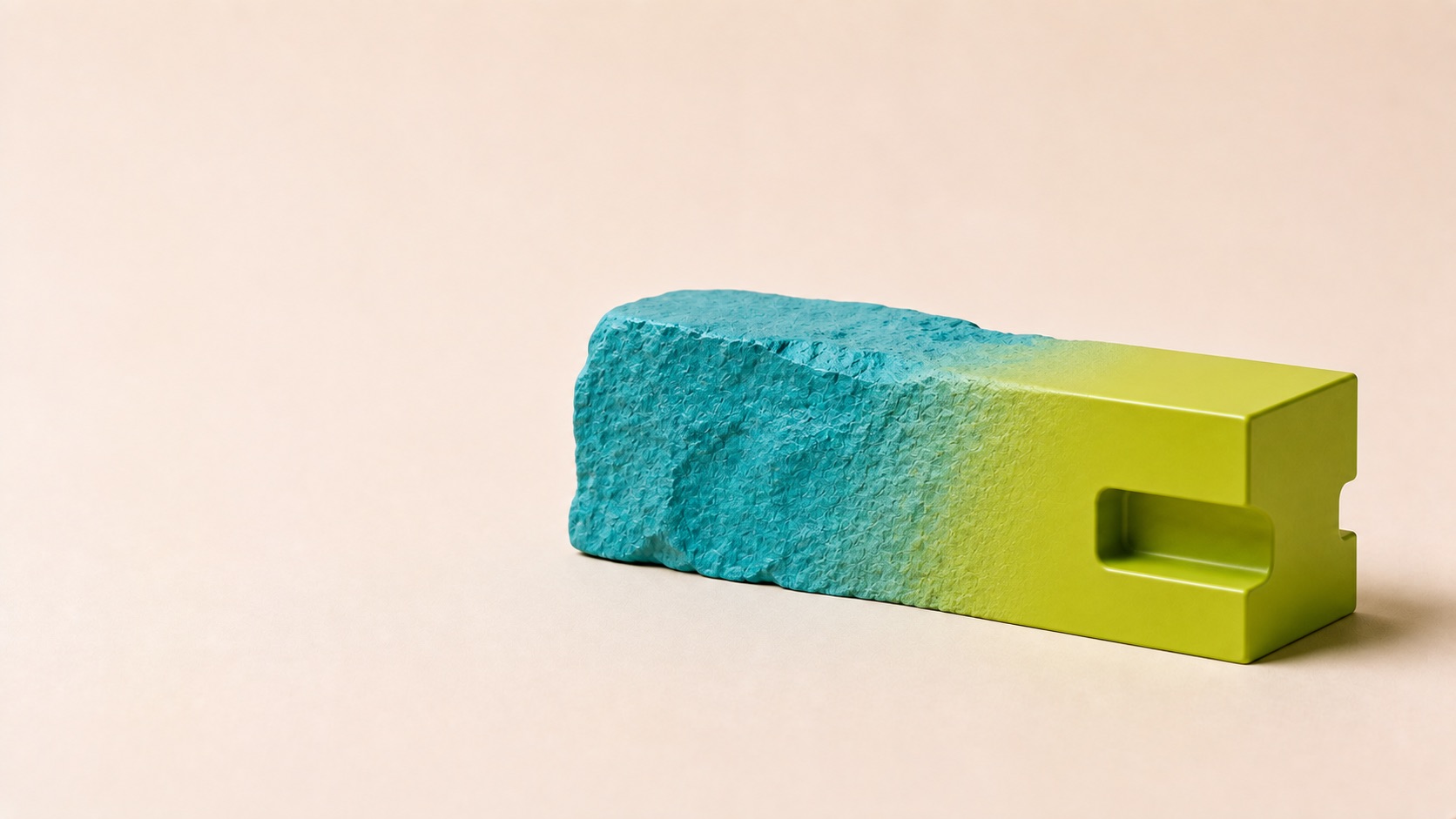
How 3D Rendering Is Helping Brands Sell Ideas Before They Become Reality.
In today’s fast-moving digital world, brands don’t always have the luxury of waiting for physical products, finished spaces, or final builds to tell their story.
This is where 3D rendering has quietly become a game changer.
More than just a visual tool, 3D rendering is now shaping how brands present, validate, and sell ideas long before they exist in the real world.
From Imagination to Instant Understanding
One of the biggest challenges for brands has always been communication.
Explaining a concept using sketches, mood boards, or descriptions leaves room for confusion. 3D rendering removes that gap by transforming abstract ideas into clear, realistic visuals that anyone can understand instantly.
When people can see the idea clearly, decision-making becomes faster and more confident.
Why Brands Are Relying on 3D Earlier Than Ever
Today, brands use 3D renders not just at the final stage, but right from the beginning.
They help:
• pitch concepts to stakeholders
• secure client approvals
• pre-sell products or properties
• reduce redesign and revision cycles
• align teams on a shared vision
Instead of “imagining the outcome,” everyone sees the same result from day one.
3D Rendering as a Branding Tool
What many businesses overlook is how powerful 3D rendering is for brand identity.
Consistent use of:
• lighting styles
• material finishes
• environments
• camera angles
creates a recognisable visual language. Over time, these visuals become associated with the brand’s quality, precision, and professionalism.
In this way, 3D rendering becomes more than presentation, it becomes part of the brand experience.
Why 3D Works So Well on Websites
On websites, attention spans are short and expectations are high.
3D visuals help users:
• understand products faster
• visualise scale, depth, and detail
• feel more confident about what’s being offered
When integrated thoughtfully, 3D elements guide users instead of overwhelming them. They don’t just add visual appeal, they support clarity and trust.
The Common Mistake Brands Make
The biggest mistake is treating 3D rendering as a decorative element.
Without strategy, 3D visuals can:
• slow down websites
• distract from messaging
• feel disconnected from branding
Effective 3D design works best when it aligns with the brand’s story, tone, and user journey.
How Smart Brands Are Using 3D Today
Forward-thinking brands are:
• using 3D renders during concept stages
• aligning 3D visuals with brand guidelines
• optimising assets for web performance
• blending 3D with UX and storytelling
They understand that 3D is not just about realism, it’s about communication.
Looking Ahead
As digital experiences become more immersive, flat visuals alone won’t be enough to stand out.
3D rendering allows brands to:
• showcase ideas clearly
• build trust early
• sell concepts confidently
• reduce uncertainty
In competitive markets, that clarity becomes a serious advantage.
Final Thought
3D rendering isn’t just about showing what something will look like.
It’s about helping people believe in an idea before it exists.
At Roex, we see 3D as a bridge between creativity and reality, where ideas are not just imagined, but clearly experienced.
#3DRendering #3DDesign #Branding #WebDesign #DigitalExperience #VisualStorytelling #Roex #RoexDesign

How 3D Rendering Is Helping Brands Sell Ideas.
More than just a visual tool, 3D rendering is now shaping how brands present, validate, and sell ideas long before they exist in the real world.