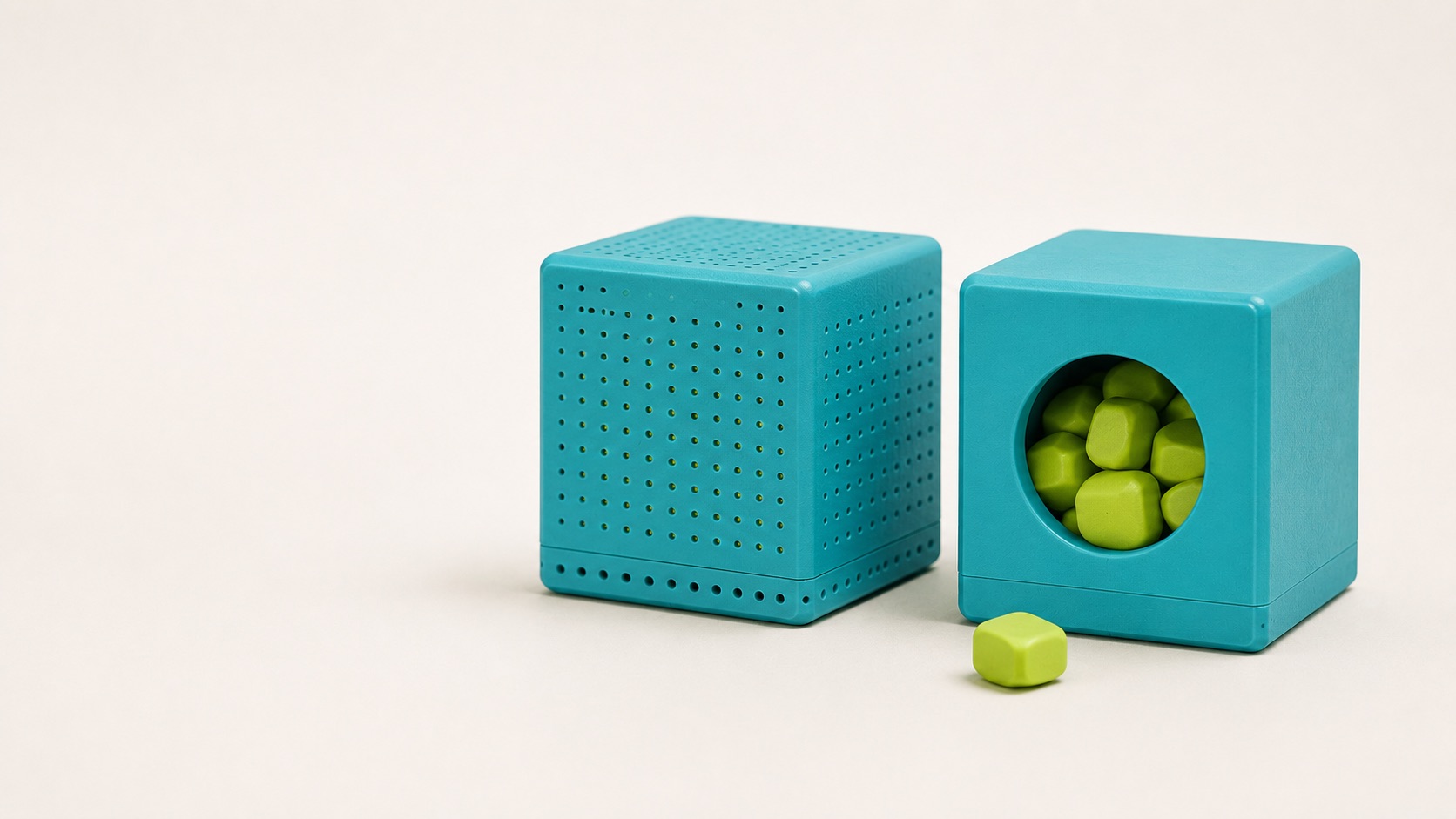
Why Privacy-First Design Is Becoming a Competitive Advantage
Something important is quietly reshaping how websites and digital brands are built, and it’s not a design trend.
It’s privacy.
With increasing restrictions on tracking, cookies, and third-party data, brands are being forced to rethink how they design websites, collect insights, and build trust with users.
And this shift is happening right now.
The End of “Invisible Tracking” Changes Everything
For years, websites relied heavily on background tracking:
• cookies following users across platforms
• data collected without clear awareness
• analytics prioritized over transparency
As privacy regulations tighten and platforms reduce third-party tracking, businesses are losing easy access to user data.
This is pushing brands toward a new reality:
– Earn trust instead of extracting data.
Why This Is a Design Problem, Not Just a Legal One
Privacy is no longer only a compliance concern. It directly affects:
• website UX
• interface decisions
• content structure
• user flows
Consent banners, preference controls, transparent messaging, these elements now shape first impressions.
Design decides whether privacy feels:
• respectful
• confusing
• intrusive
• or trustworthy
Poorly designed privacy experiences damage credibility instantly.
Trust Is Becoming the New Conversion Metric
Users today are more aware. They notice:
• unclear permissions
• aggressive popups
• forced consent
• hidden data practices
When trust breaks, conversions drop, regardless of how good the product is.
Brands that design openly and honestly are seeing stronger engagement, even with less data.
Trust is becoming measurable.
How Smart Brands Are Responding
Forward-thinking teams are:
• simplifying consent experiences
• explaining value instead of hiding intent
• designing privacy choices clearly
• focusing on first-party data through meaningful interactions
They understand that long-term relationships beat short-term tracking.
What This Means for Websites Going Forward
Websites are evolving from data-collection machines into experience-led platforms.
Design priorities are shifting toward:
• clarity over manipulation
• transparency over complexity
• user control over forced flows
This results in cleaner interfaces, better content, and more intentional design decisions.
Why This Is an Opportunity, Not a Limitation
While many see privacy changes as a challenge, strong brands see an opportunity.
When data becomes harder to collect, good design matters more:
• clear messaging
• strong branding
• intuitive journeys
• genuine value exchange
Privacy-first design separates thoughtful brands from noisy ones.
Final Thought
The future of the web isn’t just faster or smarter, it’s more honest.
Brands that respect users, communicate clearly, and design transparently will earn something algorithms can’t guarantee: trust.
At Roex, we believe the strongest digital experiences are built when design serves people first, not data dashboards.
#WebDesign #PrivacyFirst #DigitalTrust #UXDesign #Branding #ModernWeb #GraphicDesign #Roex #RoexDesign

Privacy-First Design: A Competitive Advantage.
Privacy-first design builds trust, strengthens user confidence, and gives brands a lasting competitive advantage in today’s data-driven digital landscape.